Cardiac awareness
Why Community Cardiac Preparedness Matters
If someone may be experiencing a cardiac emergency, call 112 or 999 in Ireland immediately and follow the emergency dispatcher's instructions. Do not delay emergency assistance while browsing this website.
Key points
What everyone should know
Why prompt attention matters
In a cardiac arrest the heart stops pumping blood effectively. Every minute without help reduces the chance of survival, so the actions of people nearby in the first few minutes are critical.
Recognizing possible warning signs
Signs of a heart attack can include chest pain or pressure, pain spreading to the arm, jaw or back, shortness of breath, sweating or feeling faint. A person who collapses, is unresponsive and is not breathing normally may be in cardiac arrest. If in doubt, treat it as an emergency.
Call emergency services straight away
Call 112 or 999 in Ireland. Calling early brings professional help sooner and connects you with a trained call-taker who can guide you.
Follow the dispatcher's instructions
Emergency call-takers can talk you through what to do, including chest compressions, until help arrives. Put the phone on speaker and follow their instructions.
The role of CPR and AEDs
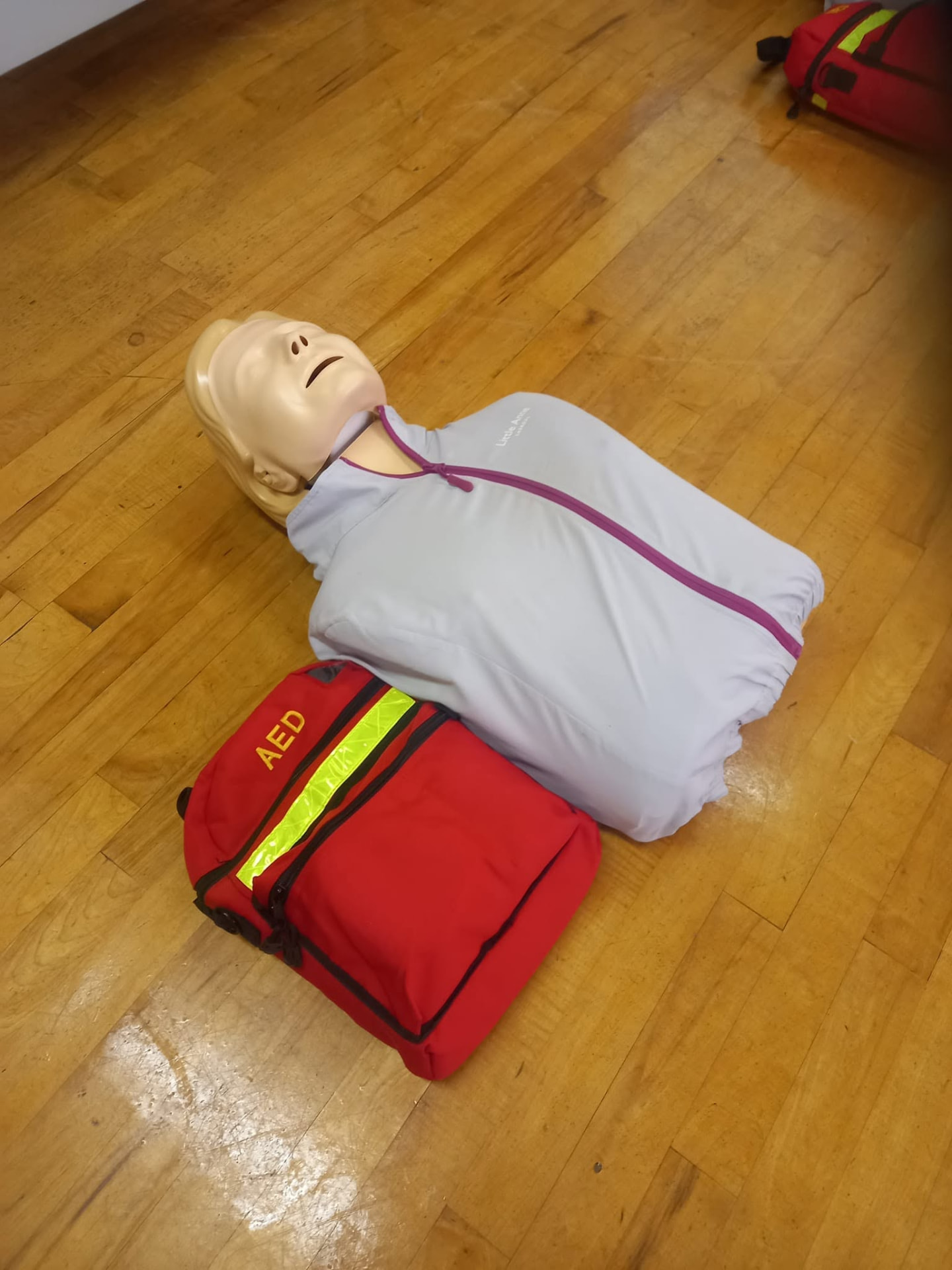
CPR keeps blood flowing to the brain and heart. An automated external defibrillator (AED) can deliver a shock that may restore a normal rhythm. AEDs give spoken instructions and are designed to be used by members of the public.
The value of first-aid training
Learning CPR and AED use from qualified instructors builds the confidence to act. Skills fade over time, so refresher training is worthwhile.
How public education helps
The more people in a community who understand these steps, the more likely it is that someone nearby will act quickly when it matters.
Reliable sources
Official information and training
- HSE — Heart attack: symptoms and what to do
- Irish Heart Foundation — CPR and AED information
- Pre-Hospital Emergency Care Council (PHECC)
- National Ambulance Service — Community First Responders
This page is general awareness information only. It is not medical advice, does not replace hands-on training from a qualified instructor, and Ardara Cardiac First Responders is not a medical authority.
Want to learn more?
Contact us to ask about awareness information and learning opportunities in your community.